Sellers should price from evidence rather than emotion, while recognizing that a market statistic cannot replace a review of the individual home. The practical decision is how to set an asking price that attracts serious attention, supports negotiation, and reflects the property's condition. A careful pricing conversation can create a clearer path from preparation to launch.
The latest market report identifies Princeton as a seller's market. The reported median list price is $312,490. The reported median sold price is $280,490. The sold-to-list price percentage is 99.8%. Median days on market are reported at 41. The report includes single-family and condo, townhouse, and apartment properties. The median list price describes a market-level asking-price reference. The median sold price describes reported closed-sale activity rather than a specific property's value. The sold-to-list percentage is a broad market measure and does not promise a particular negotiation result. These figures are useful starting points for pricing review when combined with property-specific evidence.
The gap between market-level asking and sold figures should prompt analysis rather than an automatic pricing formula. A seller's market classification does not eliminate the need for accurate positioning. The asking-price measure can frame the conversation, but condition and competing choices still matter. The sold-price measure helps keep expectations connected to completed transactions. Reported marketing time can inform preparation and timing discussions without promising a sale schedule. Broad figures are less useful when the home differs materially from the properties represented in the report. A sound price is one part of the plan, alongside presentation, access, and negotiation strategy.
Begin with a review of comparable closed and active properties that resemble your home. Identify repairs, updates, and presentation issues that may affect buyer perception. Set a pricing range that reflects your priorities and your tolerance for negotiation. Discuss how showing access and launch preparation can support the asking price. Decide in advance how you will evaluate feedback without changing direction impulsively. Review likely terms, concessions, and timing before selecting a final list price. Revisit the strategy with fresh property-specific evidence if buyer response does not match expectations.

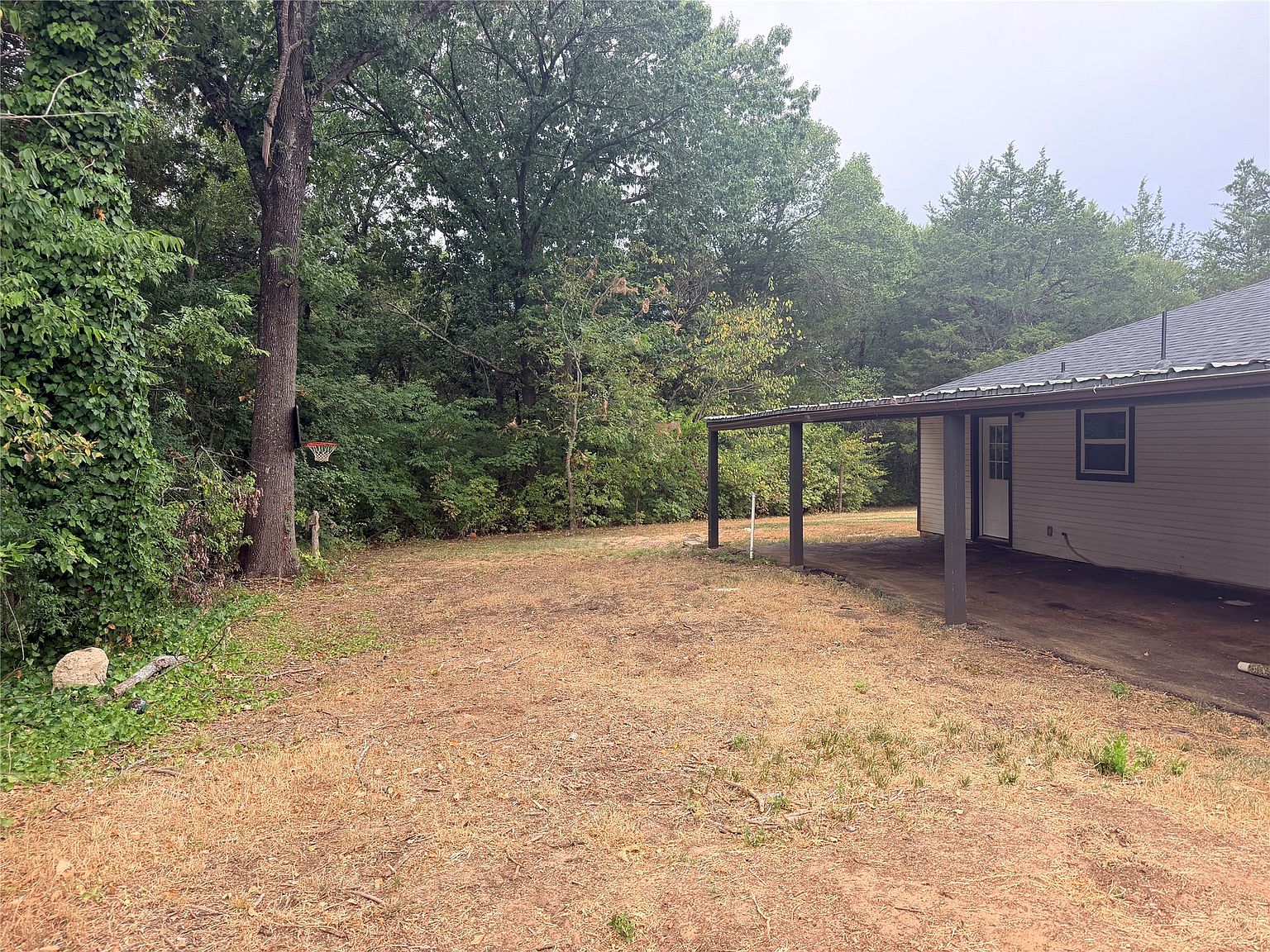 $340,000