A useful asking price starts with recent sales of similar homes, not simply the amount you hope to receive. I'll help you weigh those comparisons while keeping your priorities part of the conversation. Before we choose a number, we should also understand what buyers could purchase instead.
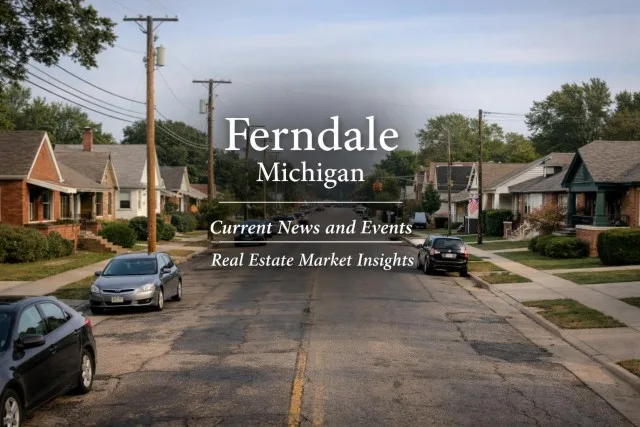
Ferndale's September 2026 market report, issued October 7, covers single-family homes, condos, townhouses and apartments. The median sold price was $263,500. Among listings active at the end of September, the median asking price was $267,000. The reported sold-to-list-price ratio was 100.1%; that is market context, not a promised result for your property. For September's sold listings, median market time was 21 days. This measure is not the time needed to complete a closing.
Asking prices and sale prices describe different groups, so their difference does not establish a discount for your home. Nor does a higher asking price prove higher value. I use these townwide figures as context, then focus on properties that genuinely resemble yours. Size, layout, condition and updates help determine which comparisons deserve the most weight. An ambitious asking price deserves a clear explanation based on your home's features and competing choices. Buyers can compare alternatives, so we need more than a townwide median to support our position.
Review recent sales of similar homes with me, including differences in size, condition and updates. Separate completed sales from listings that are still seeking a buyer. Consider competing listings separately to understand the asking prices a prospective buyer might compare with yours. Identify where your home offers something different without assuming every improvement returns its full cost. Decide what showing feedback and competing activity would prompt us to revisit your price. Agree on that review process before listing rather than choosing a reduction without evidence.